Top 10 Energy Efficient Heat Pumps You Need to Know?
As energy costs continue to rise, the demand for Energy Efficient Heat Pumps has surged. Experts like Dr. Emily Chen, a renowned HVAC researcher, emphasize their importance: "Choosing the right heat pump can significantly reduce energy consumption." With a myriad of options available, understanding which heat pumps are truly efficient is crucial.
These systems work by transferring heat, making homes comfortable while minimizing energy use. However, not all heat pumps are created equal. Efficiency ratings and installation quality matter greatly. They determine how well a heat pump operates, especially in varying climates. Selecting a heat pump requires careful consideration.
Many people overlook their long-term benefits. Although upfront costs may seem high, energy savings can offset the initial investment. Yet, some heat pumps can be underwhelming in performance. It’s vital to research and choose wisely. Exploring our top 10 energy efficient heat pumps can help clarify your options. Embracing this technology can lead you towards a more sustainable future.

Overview of Energy Efficient Heat Pumps
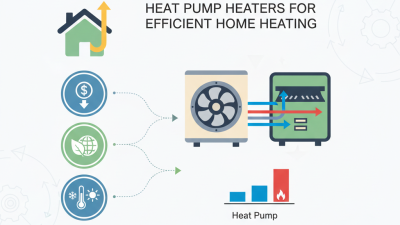
Energy-efficient heat pumps are becoming increasingly popular. Their ability to efficiently transfer heat makes them an ideal choice for heating and cooling. These systems utilize electricity to move heat rather than generating it, significantly reducing energy consumption.
Many homeowners overlook the potential savings heat pumps offer. Some models can reduce energy bills by up to 50%. This impressive efficiency stems from their design, which allows for optimal performance even in colder temperatures. However, not all heat pumps are created equal. Factors like installation, climate, and specific needs play a crucial role in determining their effectiveness.
While energy efficiency is paramount, the initial investment can be considerable. Many individuals struggle with the upfront costs, leaving them hesitant. Proper evaluation of home needs and consulting with professionals can lead to informed decisions. Despite potential challenges, the long-term benefits of energy-efficient heat pumps are worthy of consideration. Understanding these systems is key to maximizing their potential.
Types of Heat Pumps and Their Applications
Heat pumps are an essential part of energy-efficient heating and cooling systems. Various types of heat pumps cater to specific applications. Air-source heat pumps absorb heat from the air, while ground-source heat pumps utilize the earth's stable temperature. According to a report from the U.S. Department of Energy, air-source systems can provide a 50% reduction in energy use for heating compared to traditional systems.
Water-source heat pumps, on the other hand, capitalize on bodies of water. They are highly efficient but require proximity to a water source. Notably, a 2021 study indicated that heat pumps can reduce greenhouse gas emissions by up to 70% when replacing fossil fuel systems. This makes them increasingly popular in residential and commercial sectors.
Their versatility allows for heating, cooling, and hot water production. However, the effectiveness can vary based on location and installation quality. Proper sizing and placement are crucial. Homeowners must also consider their specific heating or cooling needs. While heat pumps present numerous advantages, they don't always offer a one-size-fits-all solution. Awareness of conditions and operational context is essential to realize their full potential.
Top 10 Energy Efficient Heat Pumps You Need to Know
| Type of Heat Pump |
Efficiency Rating (HSPF) |
Heating Capacity (BTUs) |
Cooling Capacity (BTUs) |
Application |
| Air Source Heat Pump |
9.0 |
36,000 |
36,000 |
Residential Heating & Cooling |
| Ground Source Heat Pump |
4.5 |
48,000 |
48,000 |
Geothermal Heating & Cooling |
| Ductless Mini-Split |
10.0 |
24,000 |
24,000 |
Zone Heating & Cooling |
| Hybrid Heat Pump |
9.5 |
30,000 |
30,000 |
Dual-fuel Systems |
| Absorption Heat Pump |
1.2 |
40,000 |
40,000 |
Commercial & Industrial Heating |
| Water Source Heat Pump |
4.0 |
35,000 |
35,000 |
Marine & Lake Heating |
| Solar Assisted Heat Pump |
9.0 |
24,000 |
24,000 |
Renewable Heating |
| Reversible Heat Pump |
8.5 |
32,000 |
32,000 |
Dual Heating & Cooling |
| Portable Heat Pump |
8.0 |
15,000 |
15,000 |
Temporary Heating & Cooling |
Top Features to Consider When Choosing a Heat Pump
When selecting a heat pump, several essential features must be considered to ensure energy efficiency and performance. Firstly, the seasonal energy efficiency ratio (SEER) and heating seasonal performance factor (HSPF) are critical metrics. These numbers indicate how effectively a heat pump uses energy. According to the U.S. Department of Energy, a higher SEER rating can lead to substantial savings on energy bills. For optimal performance, look for heat pumps with SEER ratings above 16 and HSPF ratings over 9.
Another factor involves the system’s variable speed technology. This technology allows the heat pump to adjust its output based on the heating or cooling needs of your home. Research indicates that variable speed systems can reduce energy consumption by up to 30%. Additionally, the refrigerant type is vital. Modern units often use R-410A, which is more environmentally friendly than older refrigerants.
Consider the installation location and ductwork, as these significantly impact efficiency. Proper installation can enhance performance, while poor airflow can lead to higher energy costs. A recent study highlighted that 30% of heat pump installations don’t meet industry standards. Understanding these details can help improve the reliability of your heat pump and encourage smarter energy use.
Top 10 Energy Efficient Heat Pumps
Comparative Analysis of the Top 10 Energy Efficient Heat Pumps
When considering energy-efficient heat pumps, a comparative analysis reveals significant variations in performance and efficiency. According to the U.S. Department of Energy, heat pumps can save homeowners 30% to 40% on heating and cooling costs. The best models offer a high Seasonal Energy Efficiency Ratio (SEER), often reaching above 15. Some systems even provide a Heating Seasonal Performance Factor (HSPF) of over 9, which can dramatically reduce energy consumption.
It's important to examine the size and capacity of heat pumps to ensure they match your home’s needs. Oversized or undersized units can lead to inefficiencies, causing higher operational costs. Additionally, investing in a heat pump with a variable speed compressor can enhance efficiency, adjusting output based on real-time temperature demands.
Experts recommend regular maintenance to sustain efficiency levels. Clean filters and ducts should be prioritized since they improve airflow and prevent system strain. Consideration of local climate is also essential, as certain pumps are designed for specific temperature ranges, impacting their effectiveness in various conditions. A balance of upfront costs versus long-term energy savings can lead to better decision-making for consumers.
Maintenance Tips for Maximizing Heat Pump Efficiency
Maintaining heat pumps is crucial for efficiency and longevity. Regular maintenance can improve operational efficiency by up to 25%. Keeping filters clean is an essential task.
Dirty filters restrict airflow and can cause the system to work harder, leading to increased energy consumption.
Additionally, scheduling seasonal check-ups is vital. Experts recommend annual servicing to ensure optimal performance. During these inspections, technicians can identify potential issues early on.
A report from the U.S. Department of Energy states that proactive maintenance can save homeowners about 10% on their energy bills.
It's also important to check the outdoor unit. Clearing debris and ensuring proper drainage can prevent long-term damage. Ignoring these details might lead to unexpected repair costs. In fact, a study found that neglecting small issues can result in system failures, impacting efficiency drastically.
Regular attention to these factors not only enhances performance but also contributes to a greener energy footprint.