Top 5 Tips for Choosing the Best Crop Dryer for Your Farm?
Choosing the right crop dryer can be a game-changer for farmers. As the agriculture industry evolves, efficiency becomes crucial. A recent report from the USDA highlights that improper drying can lead to a 20% reduction in grain quality. This loss affects both market value and storage capabilities.
Experts emphasize understanding your specific needs. John Smith, a renowned crop dryer specialist, states, "Not all dryers are created equal; matching technology to crop type is essential." Selecting a crop dryer requires considering various factors, including drying capacity, energy efficiency, and operational costs.
Farmers often overlook these details, which can lead to regrettable choices. Investing in the right crop dryer can improve profitability. The decision process should involve careful research and consultation with industry experts. Don't rush; reflect on your farm's unique needs before making a choice.
Understanding Your Crop Drying Needs and Goals
When selecting a crop dryer, understanding your specific drying needs is critical. Different crops require different drying techniques. For example, grains like corn and wheat benefit from low-temperature drying methods. Conversely, fruits and vegetables may need higher temperatures to preserve color and flavor. The most efficient dryers are tailored to these requirements, significantly impacting product quality.
A report by the USDA found that improper drying can lead to a yield loss of up to 20%. This statistic raises concerns for farmers who may overlook the nuances of crop drying. Many farmers may not realize that factors such as humidity and air circulation play vital roles in the drying process. Choosing a dryer without understanding these aspects could result in wasted time and resources.
Farmers should analyze their drying volumes and moisture content specifications. Moisture levels between 14-20% are common in harvested grains. Selecting a dryer that accommodates these levels ensures efficiency. A consideration of energy use is also imperative. Up to 50% of operating costs can be attributed to drying, making it a critical factor in annual budgeting. Investing in the right technology is both a challenge and an opportunity for improvement in agricultural practices.
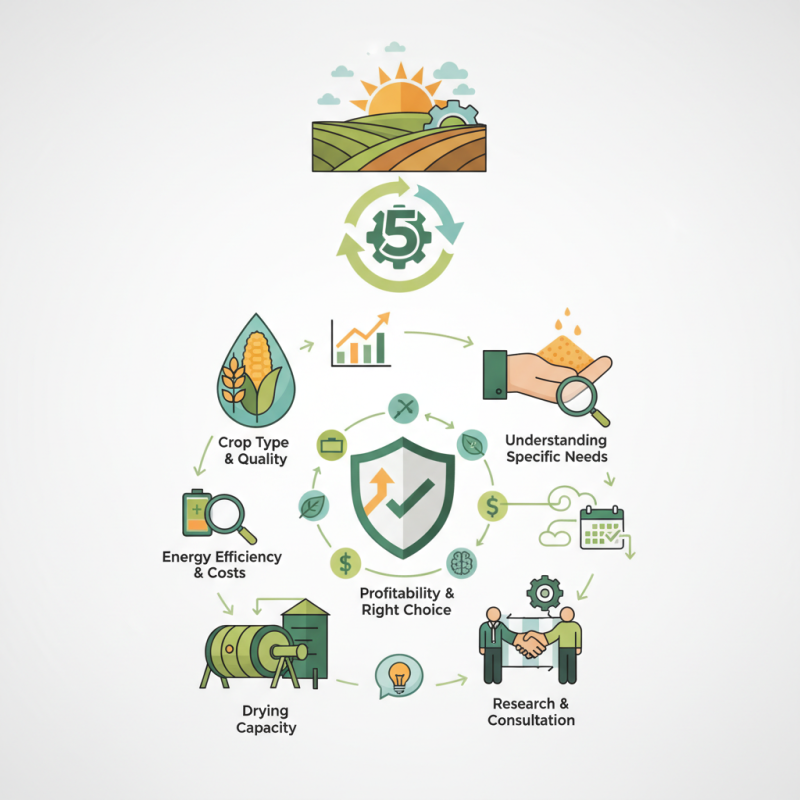
Top 5 Factors in Choosing the Best Crop Dryer for Your Farm
Evaluating Different Crop Dryer Types and Technologies
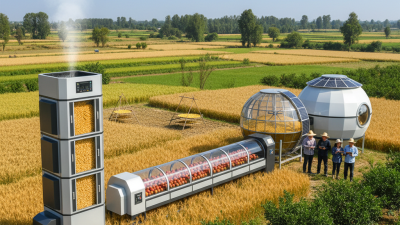
When evaluating different crop dryer types and technologies, consider the specific needs of your farm. Each type of dryer has unique benefits. For instance, heated air dryers are efficient for quick moisture removal. However, they can be energy-intensive. Think about how much energy you can afford to use.
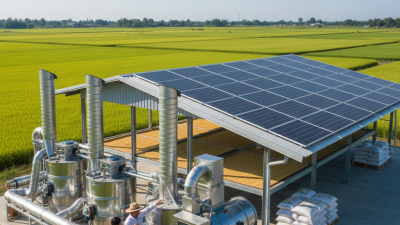
Solar dryers offer a more sustainable option. They rely on natural sunlight, which saves costs. Yet, their effectiveness depends on local weather conditions. Are sunny days frequent enough in your area? If not, you might face challenges with this method.
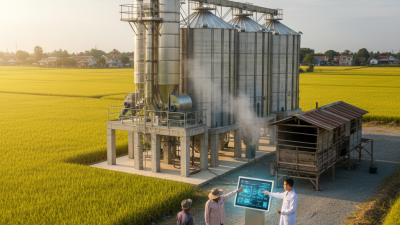
Continuous flow dryers simplify the process. They can handle large batches without much manual intervention. Nonetheless, they might require a significant upfront investment. Value the long-term benefits against the initial costs. Choosing the right technology can transform your farming experience. Always weigh the pros and cons before making a decision. Reflect on what truly fits your farming operation.
Assessing Energy Efficiency and Operating Costs
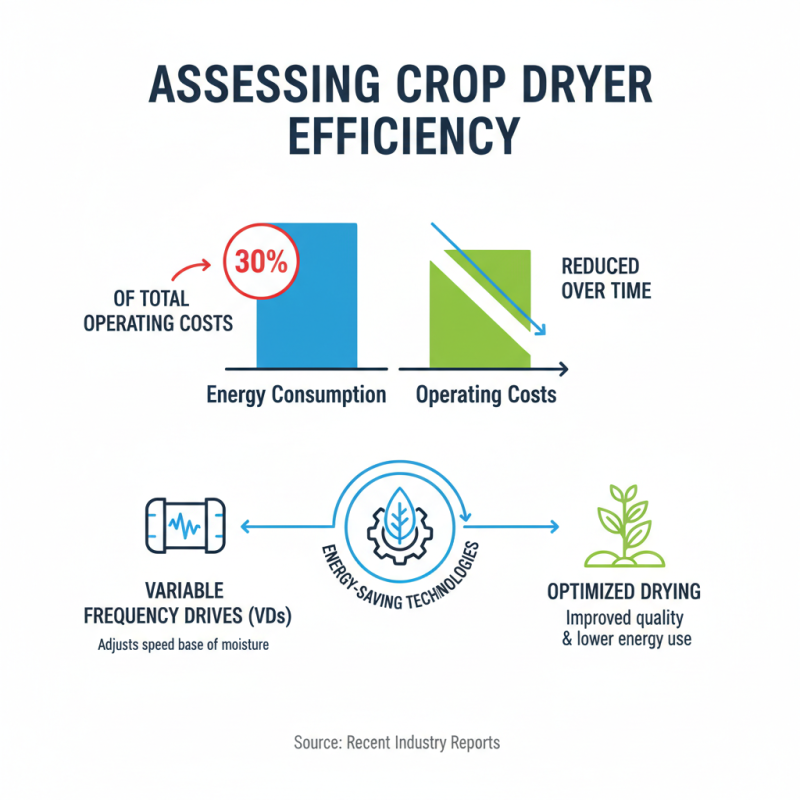
When selecting a crop dryer, energy efficiency and operating costs are critical factors. Recent industry reports suggest that energy consumption can account for up to 30% of the total operating costs of a dryer. Choosing a machine that utilizes advanced energy-saving technologies can significantly reduce these expenses over time. For instance, dryers equipped with variable frequency drives can adjust their speed based on the moisture content of the crop. This feature not only optimizes energy use but also enhances drying quality.
In addition to energy efficiency, consider the initial investment versus long-term savings. A more efficient dryer may have a higher upfront cost but can lead to lower energy bills. Research shows that efficient dryers can reduce energy costs by as much as 20% per harvest. However, many farms overlook this aspect, often focusing on initial costs without analyzing potential savings. It’s important to perform a thorough cost-benefit analysis to ensure that you make an informed choice.
Finally, remember that maintenance plays a vital role in energy efficiency. Regular servicing can keep the dryer operating at peak performance. Neglecting maintenance can lead to increased energy use and reduced efficiency. As energy prices fluctuate, making an informed decision about your crop dryer is essential for sustainability and profitability in modern farming.
Considering Capacity and Size for Your Farm’s Requirements
When selecting a crop dryer, one of the most critical factors is its capacity and size. Choosing a dryer that fits your specific requirements will save you time and energy.
Assess the volume of crops you plan to dry in a season. A smaller farm may not need a large-capacity dryer. Conversely, larger farms should opt for models that can handle significant amounts.
Capacity isn't just about size; it also relates to airflow and drying efficiency. Consider how quickly the dryer processes your crops. An inadequate airflow might lead to inconsistent drying.
It’s essential to choose a dryer that matches both your current and anticipated future needs. The balance of performance and size can significantly affect operating costs.
Before finalizing your decision, evaluate your available space. Ensure there is room for proper ventilation and maintenance access. A good crop dryer should fit into your farm layout without causing disruptions.
Think about the placement and accessibility for loading and unloading crops. Reflecting on these aspects during selection can lead to better productivity and crop quality.
Researching Manufacturers and Customer Support Options
When selecting a crop dryer, evaluating manufacturers is essential. Not all companies offer the same quality. Look for those with a solid foundation. Research their history and read reviews from farmers with similar needs. This can highlight long-term performance and reliability.
Customer support options also matter significantly. Check if the manufacturer provides easy access to assistance. Effective support can make a big difference. A responsive team can help troubleshoot problems or answer questions. Consider how warranty services work. Are they straightforward or complex? Clear terms increase trust.
Visiting local farms using similar dryers can provide practical insights. Engaging with fellow farmers allows you to gather personal experiences. Their feedback, both positive and critical, will help refine your choice. Exploring these avenues ensures a careful decision-making process that suits your specific farming operational needs.
Top 5 Tips for Choosing the Best Crop Dryer for Your Farm
| Tip Number |
Tip |
Considerations |
| 1 |
Assess Your Drying Needs |
Evaluate types of crops and volume to determine capacity. |
| 2 |
Research Different Types of Dryers |
Compare airflow, heat source, and design (batch vs. continuous). |
| 3 |
Consider Efficiency and Cost |
Look for energy-efficient models that align with your budget. |
| 4 |
Check Manufacturer Reputation |
Read reviews and ratings from existing customers. |
| 5 |
Evaluate Customer Support |
Ensure that the manufacturer provides reliable support and warranty options. |